


Using dental floss regularly, much like sticking to a consistent exercise routine, can greatly reduce the chances of encountering serious health problems.
In a recent survey, scientists examined the oral health routines of 6,278 people, laying the groundwork for understanding future stroke risk factors.
The study revealed that 65% of participants flossed regularly. Over a follow-up period of 25 years, 1,291 cases of atrial fibrillation and 434 instances of stroke were recorded. The researchers found that flossing participants were 22% less likely to suffer from ischemic stroke, 44% less likely to have cardioembolic stroke, and 12% less likely to experience atrial fibrillation compared to non-flossers. However, flossing did not seem to reduce the risk of thrombotic or lacunar stroke. These effects were noted irrespective of their brushing habits or regular dental visits. Additionally, there was a negative correlation between flossing frequency and stroke risk.
Researchers suggested that flossing, which is also associated with lower risk of cavities and gum disease, might help reduce inflammation. They concluded that if future studies confirm these results, including dental flossing in oral health routines might become part of the American Heart Association’s Life’s Essential 8, which are crucial measures for maintaining and enhancing cardiovascular health.
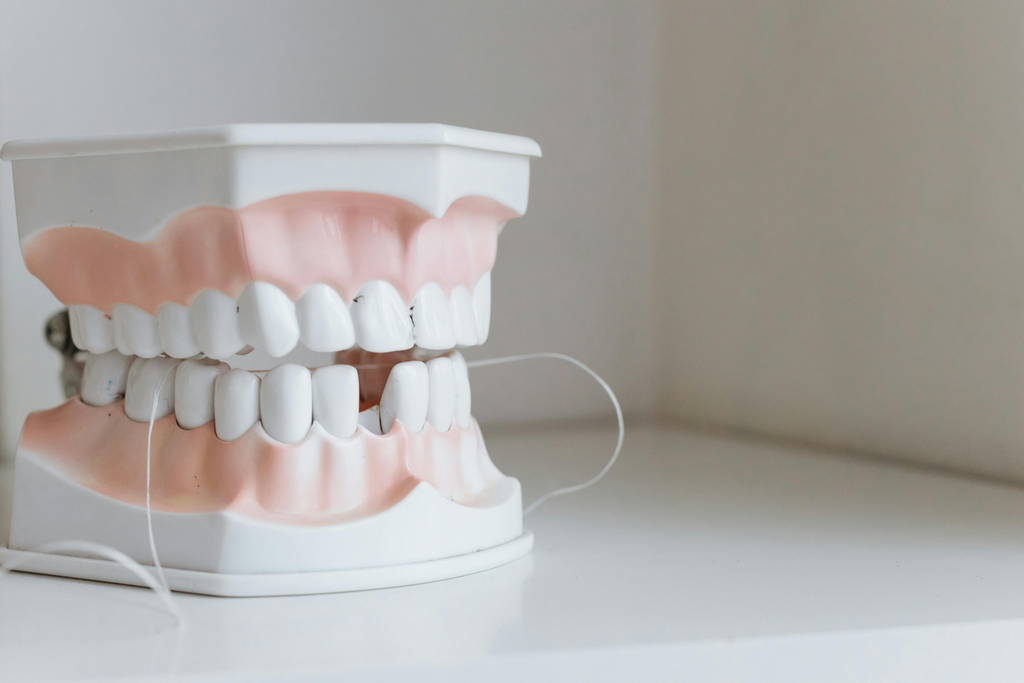
Flossing regularly is akin to keeping a car in good condition. While it can significantly lower the risk of certain mechanical failures (ischemic and cardioembolic issues), it doesn’t prevent all types of breakdowns (thrombotic and lacunar issues). Its benefits are evident regardless of other maintenance practices.