

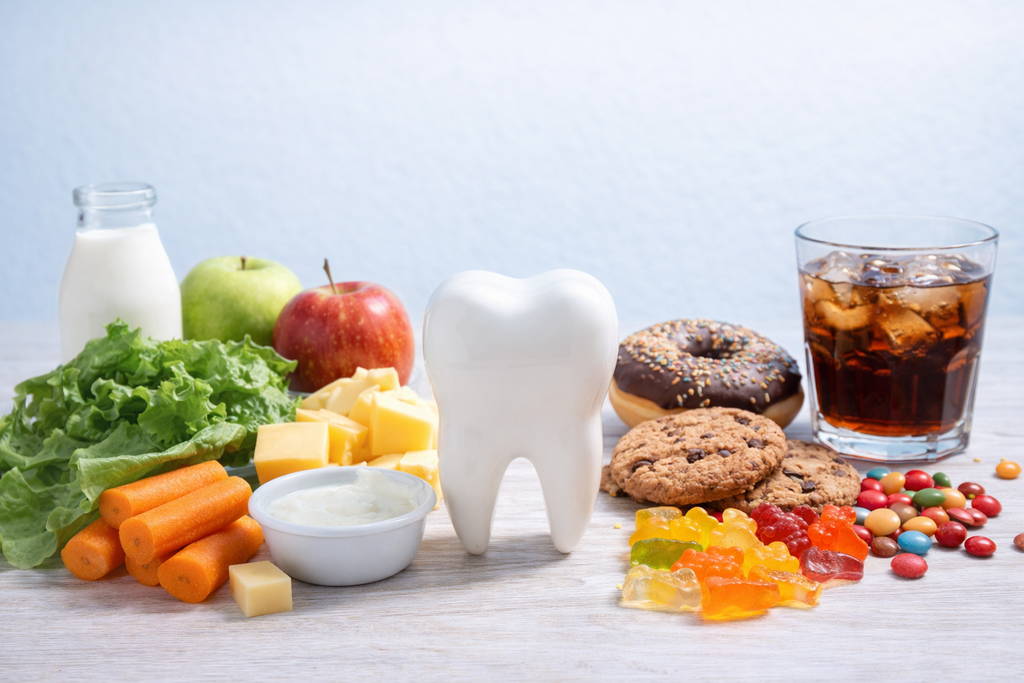
What you eat doesn’t just affect your waistline — it plays a major role in the health of your teeth and gums. Diet is one of the most important and often overlooked factors in preventing cavities, gum disease, and enamel erosion. Understanding how nutrition impacts oral health can help you make smarter choices for a stronger, healthier smile.
The Connection Between Diet and Dental Health
Your mouth is the first place food interacts with your body. Sugars, acids, and nutrients all influence the balance of bacteria in your oral environment. When harmful bacteria feed on sugar, they produce acids that weaken enamel and lead to decay.
On the other hand, nutrient-rich foods help strengthen teeth, support gum health, and maintain saliva production — one of your body’s natural defenses against cavities. Maintaining good oral hygiene habits alongside a healthy diet can further reduce your risk of dental problems.
Foods That Support a Healthy Smile
Certain foods actively promote oral health and help protect your teeth:
• Dairy products like milk, cheese, and yogurt provide calcium and phosphorus that strengthen enamel. You should brush or rinse after consuming foods or drinks with sugars, including milk or yogurt with added sugars
• Leafy greens supply essential vitamins and minerals for gum health
• Crunchy fruits and vegetables such as apples and carrots help stimulate saliva and gently clean teeth
• Lean proteins like fish and poultry provide nutrients that support tissue repair
• Water helps rinse away food particles and neutralize acids
Incorporating these foods regularly can reduce your risk of dental problems over time and support overall oral health.
Foods That Can Harm Your Teeth
Some dietary choices increase the likelihood of cavities and gum disease:
• Sugary snacks and beverages
• Sticky foods like candies or dried fruit
• Acidic drinks such as soda and citrus juices
• Frequent snacking without proper oral hygiene
• Alcohol, which can contribute to dry mouth and increases oral cancer risk
Limiting these foods and practicing good oral hygiene can help prevent long-term damage. Regular dental exams and professional cleanings also play an important role in preventing decay and gum disease.
How Eating Habits Matter
It’s not just what you eat — it’s how often you eat. Frequent snacking exposes teeth to repeated acid attacks throughout the day. Giving your mouth time to recover between meals allows saliva to repair early enamel damage.
Drinking water after meals and maintaining a consistent oral hygiene routine can significantly reduce the risk of decay. Scheduling routine preventive dental visits helps catch early signs of damage before they become more serious.
FAQs
Is sugar the main cause of cavities?
Sugar itself isn’t what directly damages your teeth — it’s how oral bacteria use sugar. When you consume sugary foods or drinks, bacteria in your mouth feed on those sugars and produce acids as a byproduct. These acids weaken tooth enamel and can eventually lead to cavities. The more frequently sugar is consumed throughout the day, the more prolonged the acid exposure becomes, increasing the risk of tooth decay.
Are diet sodas better for your teeth than regular soda?
While diet sodas don’t contain sugar, they are still highly acidic. That acidity can weaken and erode tooth enamel over time, making teeth more sensitive and vulnerable to damage. In some cases, frequent consumption of diet soda can be just as harmful to enamel as sugary drinks. Water is always the best choice for maintaining a healthy oral environment.
Can eating healthy foods still harm your teeth?
Yes, even healthy foods can impact your teeth depending on how they are consumed. For example, citrus fruits and juices are high in natural acids that can wear down enamel if consumed frequently or in large amounts. Dried fruits can also be sticky and cling to teeth, increasing the risk of decay. Moderation and proper oral hygiene are key to minimizing these effects.
How does diet affect gum health?
A balanced diet plays a key role in maintaining healthy gums. Nutrients like vitamin C, calcium, and antioxidants help support the body’s ability to fight inflammation and infection, which are major contributors to gum disease. Diets high in processed foods and sugar can promote harmful bacteria growth, increasing the risk of gingivitis and more advanced periodontal issues.
What are the best daily habits to protect your teeth from diet-related damage?
In addition to choosing tooth-friendly foods, daily habits make a significant difference. Drinking water after meals helps rinse away sugars and acids. Brushing twice a day and flossing daily removes plaque buildup and food particles. It’s also helpful to avoid frequent snacking and to schedule regular dental exams and cleanings to catch any early signs of damage.
Final Thoughts
Your diet plays a critical role in maintaining a healthy smile. By choosing tooth-friendly foods and limiting harmful dietary habits, you can reduce the risk of cavities and gum disease while supporting long-term oral health.
At Serene Hills Dentistry, we help patients in Lakeway, Bee Caves, and Lake Travis maintain healthy smiles through preventive care and education.