


Your mouth is more than just a smile — it’s the entry point to your overall health. The oral cavity is a non-sterile environment, naturally home to a community of good bacteria and fungi.
When in balance, this ecosystem, along with healthy salivary flow and minimal inflammation, helps protect the body.
But when harmful bacteria build up, they can cause inflammation, gum disease, and infections that extend far beyond your mouth. These bacteria can enter the bloodstream and impact vital organs, making oral health a key factor in systemic health.
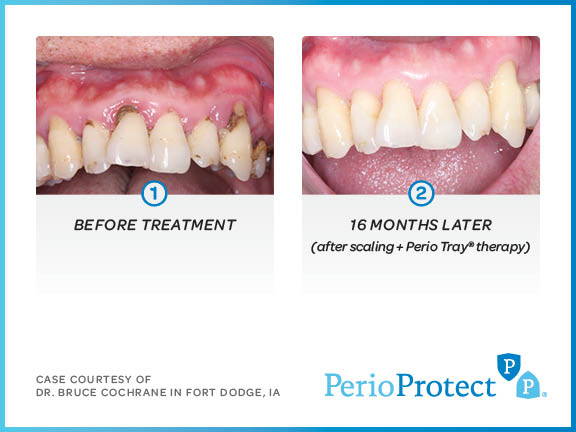
Systemic Health Conditions Linked to Gum Disease
Cardiovascular Disease
Studies show that periodontal disease increases the risk of heart attack, stroke, and atherosclerosis due to chronic inflammation and bacterial spread.
Diabetes
Gum disease is more common in patients with diabetes and can make blood sugar harder to control, while uncontrolled diabetes can worsen gum disease — creating a dangerous cycle.
Pregnancy Complications
Periodontal disease has been linked to an increased risk of preterm birth and low birth weight, highlighting the importance of oral health during pregnancy.
Rheumatoid Arthritis
The same inflammatory response triggered by gum disease may contribute to the development or progression of rheumatoid arthritis.
Alzheimer’s Disease
Emerging research suggests that bacteria from periodontal disease may be linked to cognitive decline and Alzheimer’s disease.
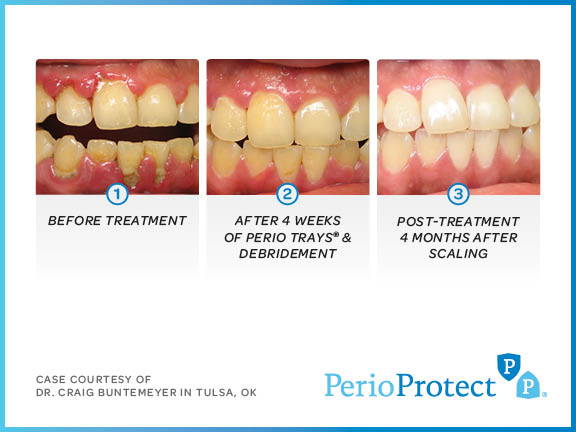
Why Preventing Gum Disease Matters
Unchecked gum disease doesn’t just damage teeth and gums. The chronic inflammation, oxidative stress, and bacterial infection can strain your heart, brain, immune system, and more.
The good news? Gum disease is preventable. With daily brushing, flossing, professional dental cleanings, and routine checkups, you can maintain a healthy mouth and protect your whole body.
Frequently Asked Oral Health Questions
Can gum disease really affect my heart health?
Yes. Research shows that bacteria and inflammation from gum disease may increase the risk of heart attack, stroke, and other cardiovascular problems.
How does diabetes affect oral health?
Diabetes can make it harder to fight infections, which increases the risk of gum disease. In turn, gum disease can make blood sugar more difficult to control.
Is it safe to get dental cleanings during pregnancy?
Absolutely. Regular dental checkups and cleanings are safe during pregnancy and may lower the risk of complications such as preterm birth or low birth weight.
Can poor oral health increase the risk of Alzheimer’s disease?
Emerging research suggests a possible link between bacteria from gum disease and cognitive decline, making preventive oral care especially important.
What is the best way to prevent gum disease?
Daily brushing, flossing, and professional cleanings every six months are the most effective ways to prevent gum disease and protect your overall health.
Take Control of Your Oral and Overall Health
It truly starts with the mouth. By protecting your oral health, you’re protecting your heart, immune system, and long-term wellness. Research continues to establish a link between periodontal disease and serious systemic diseases. This latest article from Aug 2025 further underscores the link between periodontal disease and cardiovascular health.
At Serene Hills Dentistry in Lakeway, TX, we take a comprehensive approach to dental care that benefits more than just your smile.
👉 Schedule your appointment today and take the first step toward better health — starting with your mouth.