

Neuromuscular Dentistry & TMJ Treatment in Lakeway, TX
Advanced Evaluation and Treatment for Jaw Pain, Headaches, Muscle Tension & Bite Dysfunction
Discover a More Comfortable, Balanced Bite
Your teeth, jaw joints, and surrounding muscles work together every time you speak, chew, swallow, or smile. When these structures aren't functioning comfortably, the effects can extend beyond your mouth.
At Serene Hills Dentistry, Drs. Ali and Sara Golshani take a comprehensive approach to evaluating jaw function, muscle activity, and the relationship between your bite and temporomandibular joints (TMJs).
Through advanced diagnostic technology, neuromuscular orthotic therapy, and individualized treatment planning, we work to identify potential contributors to your discomfort and develop solutions focused on comfortable, sustainable function.
What Is Neuromuscular Dentistry?
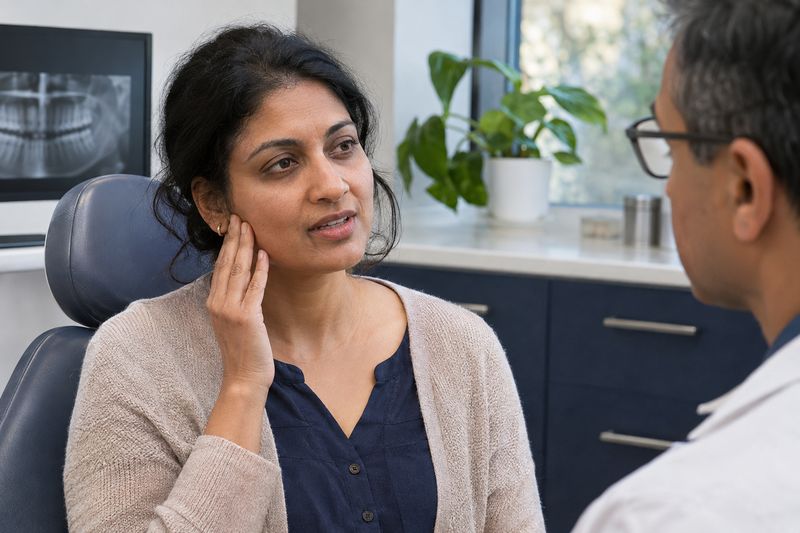
Neuromuscular dentistry focuses on the relationship between your teeth, jaw muscles, and temporomandibular joints. Traditional dentistry often focuses primarily on the health and structure of the teeth and gums. Neuromuscular dentistry adds another dimension by examining how the muscles and joints function during jaw movement and how your bite may influence that function.
When these structures are not working together comfortably, some patients experience muscle fatigue, jaw discomfort, restricted movement, or other symptoms associated with temporomandibular disorders (TMD). Our goal is to understand the factors contributing to your symptoms rather than simply focusing on where you feel pain.
Signs and Symptoms of TMJ Disorders
Temporomandibular disorders can affect patients differently. Some experience occasional discomfort, while others develop persistent symptoms that interfere with daily activities.
Common symptoms include:
- Jaw pain, soreness, or fatigue
- Clicking, popping, or grinding sounds in the jaw joints
- Difficulty or discomfort when chewing
- Limited jaw opening or episodes of jaw locking
- Facial muscle tension or tenderness
- Headaches
- Discomfort in and around the ears without an identifiable ear condition
- Tinnitus (ringing in ear) or ear fullness (congestion)
- Neck and shoulder muscle discomfort
- Changes in the way your teeth fit together
- Tooth clenching or grinding
Not every headache, earache, or facial pain is caused by a TMJ disorder. A thorough evaluation helps determine whether your jaw muscles, joints, or bite may be contributing to your symptoms.
Could Your Jaw Be Contributing to Your Headaches?
The muscles responsible for chewing and jaw movement interact with structures throughout the head and neck. In some patients, temporomandibular disorders and muscle tenderness may contribute to headaches, facial pain, and discomfort extending into the neck.
Jaw-related headaches may occur alongside symptoms such as jaw fatigue, clenching, muscle tenderness, or discomfort during chewing.
Because headaches and neck pain can have many different causes, our comprehensive evaluation helps determine whether jaw-related dysfunction may be playing a role in your symptoms.
Identifying these relationships allows us to recommend appropriate treatment or coordinate additional medical evaluation when necessary.
Neuromuscular Dentistry: From Diagnosis to Long-Term Bite Rehabilitation
At Serene Hills Dentistry, our approach to neuromuscular dentistry goes beyond managing symptoms alone. We evaluate how your teeth, jaw muscles, and temporomandibular joints work together and whether changes in jaw function may be contributing to discomfort.
For patients who may benefit from neuromuscular treatment, we offer a structured approach that allows us to evaluate comfort, function, and treatment response before considering permanent dental changes.
Comprehensive Neuromuscular Evaluation
Effective treatment begins with a thorough understanding of your symptoms and jaw function.
Our evaluation may include:
Detailed Symptom and Health History
We discuss your symptoms, when they occur, what makes them better or worse, and how they affect your daily activities.
Muscle and TMJ Examination
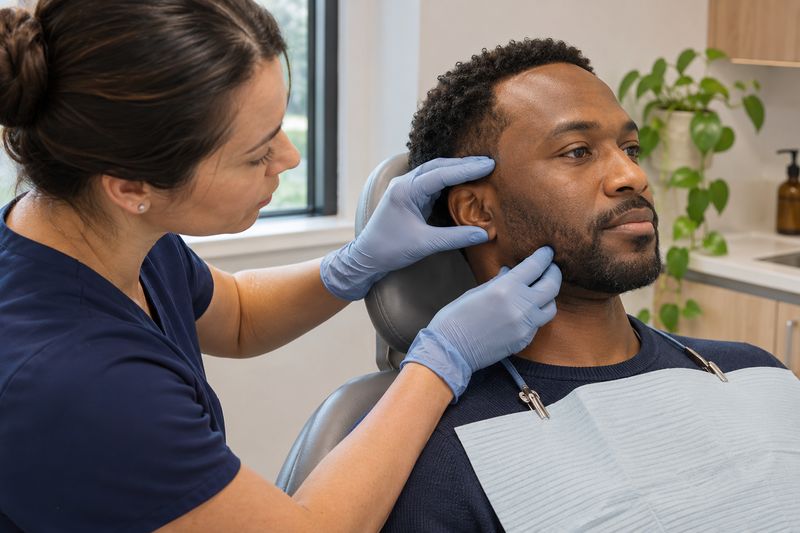
We evaluate the muscles involved in chewing, jaw movement, joint tenderness, range of motion, and signs of dysfunction.
Bite and Occlusal Analysis
We assess how your upper and lower teeth contact and how your jaw functions during movement. Bite relationships are considered alongside other possible causes of discomfort.
Phase 1: Removable and Fixed Neuromuscular Orthotics
For selected patients, neuromuscular orthotic therapy may be recommended as part of a broader treatment plan.
Orthotic appliances allow us to evaluate a proposed jaw relationship while monitoring changes in muscle comfort, symptoms, and functional movements.
The type of orthotic recommended depends on the patient's clinical findings, treatment goals, and individual needs.
Removable Neuromuscular Orthotics
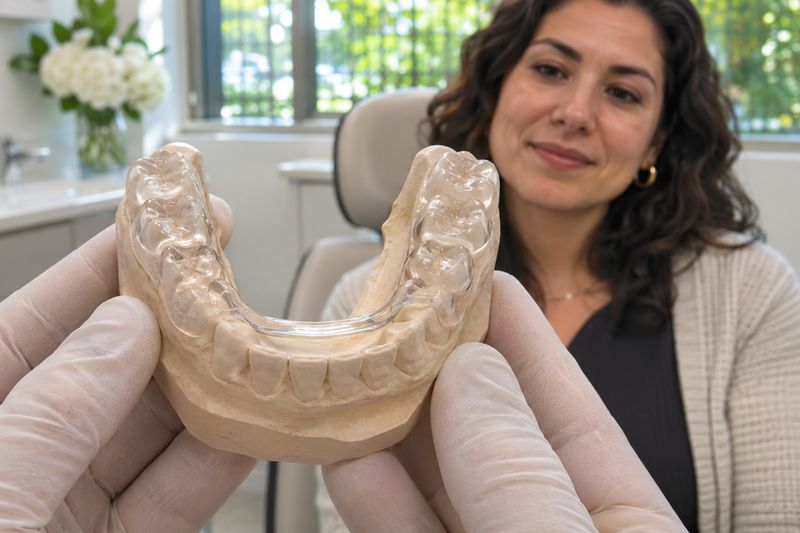
A removable neuromuscular orthotic is a custom-designed appliance that allows us to evaluate a proposed jaw relationship while monitoring muscle comfort, symptoms, and functional changes.
Because the appliance can be removed, it provides an opportunity to assess treatment response without immediately making permanent changes to the teeth.
Throughout treatment, we evaluate symptoms, jaw mobility, muscle tenderness, and overall function to determine whether the appliance is providing meaningful benefit.
Fixed Neuromuscular Orthotics
Fixed neuromuscular orthotics are temporary appliances designed to maintain a proposed jaw relationship while we evaluate changes in muscle comfort, jaw function, and bite stability.
Unlike removable orthotics, fixed appliances remain in place throughout the prescribed evaluation period, allowing us to monitor the patient's response during everyday activities such as speaking and chewing.
Fixed neuromuscular orthotics are used exclusively as temporary diagnostic tools and are never worn for longer than 90 days. They are not intended to serve as permanent restorations or long-term treatment appliances.
During this period, we carefully monitor symptoms, muscle tenderness, jaw mobility, and functional changes to help determine whether additional treatment may be appropriate.
At the conclusion of the diagnostic phase, we reassess the patient's condition and discuss the next steps, which may include discontinuing orthotic therapy, pursuing other conservative treatments, or considering long-term bite rehabilitation when clinically justified.
Phase 2: Long-Term Bite Rehabilitation
For some patients, the diagnostic process may lead to a discussion about long-term dental rehabilitation.
Depending on the patient's oral health, restorative needs, and response to treatment, options may include:
- Comprehensive restorative dentistry
- Orthodontic treatment
- Rehabilitation of worn or damaged teeth
- Individualized full-mouth reconstruction when clinically indicated
Our goal is to establish a comfortable, functional, and maintainable result while preserving healthy tooth structure whenever possible.
Not every patient requires permanent changes to their bite. When long-term rehabilitation is being considered, we carefully evaluate your response to orthotic therapy, existing dental conditions, functional needs, and treatment alternatives.
Advanced Technology That Supports Thoughtful Treatment
Myotronics J5 Neuromuscular Technology
Serene Hills Dentistry incorporates Myotronics technology into selected neuromuscular evaluations.
The J5 uses gentle transcutaneous electrical nerve stimulation (TENS) intended to encourage temporary relaxation of the muscles involved in jaw function.
This technology can provide additional information during the evaluation process and may assist with assessing muscle-related symptoms as well as obtaining the neuromuscular bite.
Continuing to Advance Our Diagnostic Capabilities
We anticipate adding the Myotronics K7 Evaluation System in spring 2027.
The K7 is designed to provide computerized measurements of jaw movement and muscle activity, offering additional information that may complement our clinical evaluations.
These technologies are adjuncts to clinical diagnosis rather than stand-alone tests, and their findings are interpreted in the context of each patient's complete examination.
Our commitment is to combine advanced technology with individualized clinical judgment and transparent treatment planning.
Why Choose Serene Hills Dentistry?
Comprehensive Dentistry. Thoughtful Diagnosis. Individualized Care.
At Serene Hills Dentistry, we understand that jaw discomfort can be frustrating, especially when symptoms are persistent or difficult to explain.
Our approach emphasizes:
Comprehensive Evaluations
Looking beyond individual teeth to understand your oral health, muscle function, jaw joints, and bite relationships.
Advanced Technology
Incorporating digital diagnostics and neuromuscular assessment when appropriate.
Removable and Fixed Orthotic Options
Offering individualized appliance therapy for selected patients as part of a carefully monitored treatment plan.
Comprehensive Restorative Capabilities
Providing continuity of care for patients whose dental conditions warrant more extensive rehabilitation.
Individualized Treatment Planning
Developing recommendations based on your symptoms, clinical findings, dental health, and long-term goals.
Privately Owned, Patient-Focused Care
As a privately owned dental practice, we prioritize continuity, personalized attention, and thoughtful recommendations. We believe patients deserve clear explanations, a thorough understanding of their treatment options, and care that supports their long-term oral health.
Frequently Asked Questions
Find Relief. Restore Comfortable Function.
You don't have to live with persistent jaw discomfort. At Serene Hills Dentistry, we take the time to understand your symptoms, evaluate your jaw function, and discuss treatment options tailored to your needs, whether you're dealing with jaw pain, muscle tension, headaches associated with jaw dysfunction, or concerns about your bite. We proudly serve Lakeway, Bee Cave, Lake Travis, and surrounding Austin communities.