

Missing teeth can affect far more than your appearance — they can impact your ability to eat, speak, and maintain proper oral health. Dental implants are one of the most reliable and long-lasting solutions for tooth replacement. If you live in Spicewood, understanding the signs that you may need dental implants can help you seek treatment before complications develop.
What Are Dental Implants?
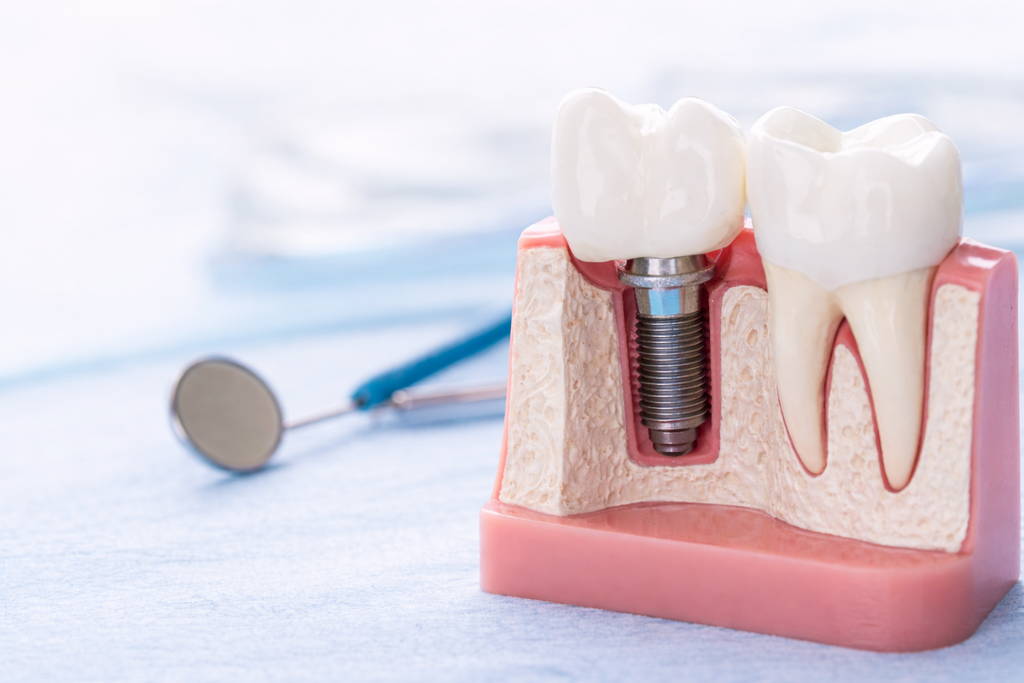
Dental implants are medical grade titanium posts placed in the jawbone to replace missing tooth roots. Once healed, they provide a stable foundation for crowns, bridges, or dentures that look and function like natural teeth. Learn more about modern dental implant solutions and how they restore both function and appearance.
Common Signs You May Need Dental Implants
Several symptoms may indicate that implants could be the right solution:
• Missing one or more teeth
• Difficulty chewing or biting comfortably
• Shifting teeth due to gaps
• Jawbone shrinkage or facial changes
• Loose or uncomfortable dentures
• Chronic tooth infections requiring extraction
If you’re experiencing any of these issues, scheduling a consultation can help determine whether dental implants in Spicewood are the right solution for your situation. Early evaluation helps determine the best timing for implant placement.
Why Replacing Missing Teeth Matters
When a tooth is lost, the surrounding bone begins to deteriorate over time. This can lead to:
• Changes in facial structure
• Increased risk of additional tooth loss
• Bite alignment problems
• Reduced confidence when smiling or speaking
Dental implants help preserve bone structure and restore proper oral function. Compared to traditional dentures, implants provide a more stable and long-term solution.
What to Expect During Implant Treatment
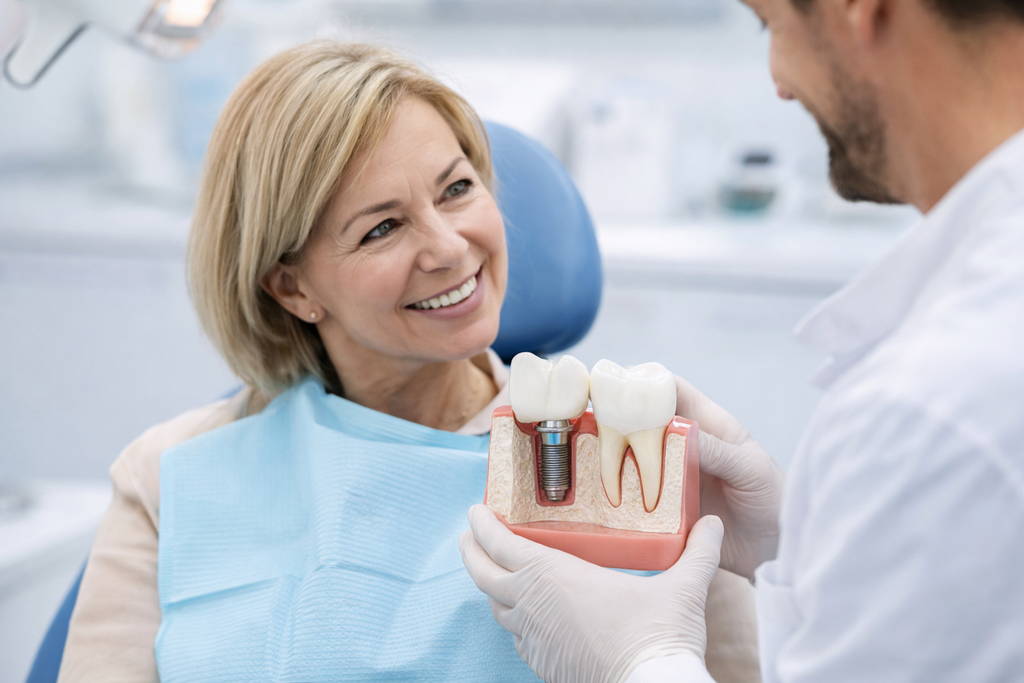
The implant process typically involves:
- Consultation and diagnostic imaging
- Surgical placement of the implant post
- Healing period for bone integration
- Placement of a custom restoration
Advanced technology such as cone beam CT imaging allows for precise planning and placement. While treatment takes several months, the long-term benefits often outweigh the timeline.
Who Is a Good Candidate?
Most healthy adults with adequate bone density are candidates for dental implants. However, factors such as smoking, uncontrolled medical conditions, or existing gum disease may need to be addressed first.
A comprehensive evaluation helps ensure the best long-term outcome.
FAQs
Are dental implants painful?
Most patients report minimal discomfort during and after implant placement. The procedure is typically performed with local anesthesia, and many patients compare the experience to having a routine dental procedure like a filling or extraction. Mild soreness afterward is normal and can usually be managed with over-the-counter pain relief. Your dentist will also provide detailed aftercare instructions to support a smooth recovery.
How long do dental implants last?
Dental implants are designed to be a long-term solution. With proper oral hygiene and regular dental visits, the implant itself can last decades or even a lifetime. The crown or restoration attached to the implant may need replacement after many years due to normal wear, but the underlying implant post is highly durable and stable.
What if I’ve been missing a tooth for years?
Even if a tooth has been missing for a long time, dental implants may still be an option. However, bone loss can occur over time, which may require additional procedures such as bone grafting to rebuild the jawbone. A detailed evaluation, often using imaging technology, will determine the best approach for restoring your smile.
Are dental implants better than dentures?
Dental implants offer several advantages over traditional dentures, including improved stability, comfort, and chewing ability. Unlike dentures, implants are anchored directly into the jawbone, which helps prevent bone loss and eliminates concerns about slipping or movement. Many patients find implants feel more natural and require less maintenance over time.
How do I know if I’m a good candidate for dental implants?
The best way to determine candidacy is through a professional evaluation. Factors such as overall health, bone density, and gum condition all play a role. Even if you’ve been told in the past that you’re not a candidate, advancements in dental technology and procedures may now make implants possible.
Final Thoughts
Dental implants are a proven solution for restoring missing teeth and improving quality of life. If you’re experiencing symptoms related to tooth loss, a consultation can help determine whether implants are the right choice for your long-term oral health.